Educational Only: Not medical advice. Always consult a healthcare provider. Many peptides are research chemicals not FDA-approved.
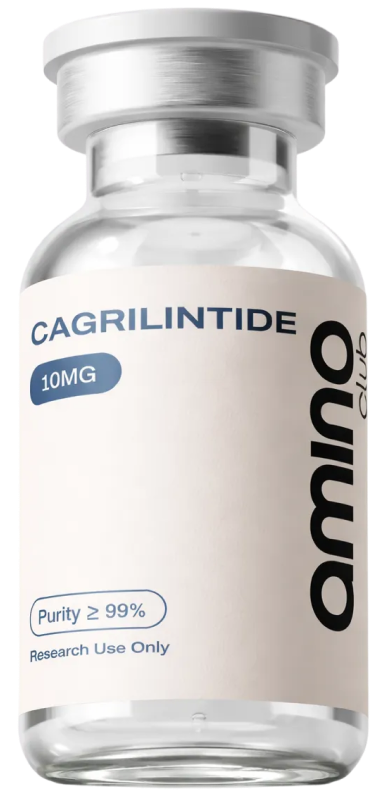
Quick Summary
Long-acting amylin analog — next-gen appetite control and weight loss
Also called: NN9838, AM833
What is Cagrilintide?
Cagrilintide is a long-acting analog of amylin, a hormone co-secreted with insulin from pancreatic beta cells. It works by activating amylin receptors in the brain to reduce appetite, slow gastric emptying, and suppress glucagon secretion. When combined with semaglutide (as CagriSema), it has shown up to 25% body weight loss in clinical trials — among the highest of any pharmacological intervention. It represents the next frontier in weight management beyond GLP-1 agonists alone.
How It's Made
Cagrilintide is a synthetic acylated amylin analog produced via solid-phase peptide synthesis with a fatty acid side chain that enables once-weekly dosing through albumin binding and slow absorption from the injection site.
Potential Benefits
Who Uses This?
Common goals and use cases for Cagrilintide:
Where to Buy Cagrilintide
Affiliate links — use code for discount. Always consult a healthcare provider before use.